Complete Kedarnath Yatra Guide: Route, Realistic Budget, Best Time & Ground Reality
Planning a journey to Kedarnath Dham is equal parts spiritual pilgrimage and demanding high-altitude trek. Sitting at an elevation of 3,583 meters (11,755 feet) in the Rudraprayag district of Uttarakhand, Kedarnath requires real physical stamina, clear logistical planning, and proper gear.
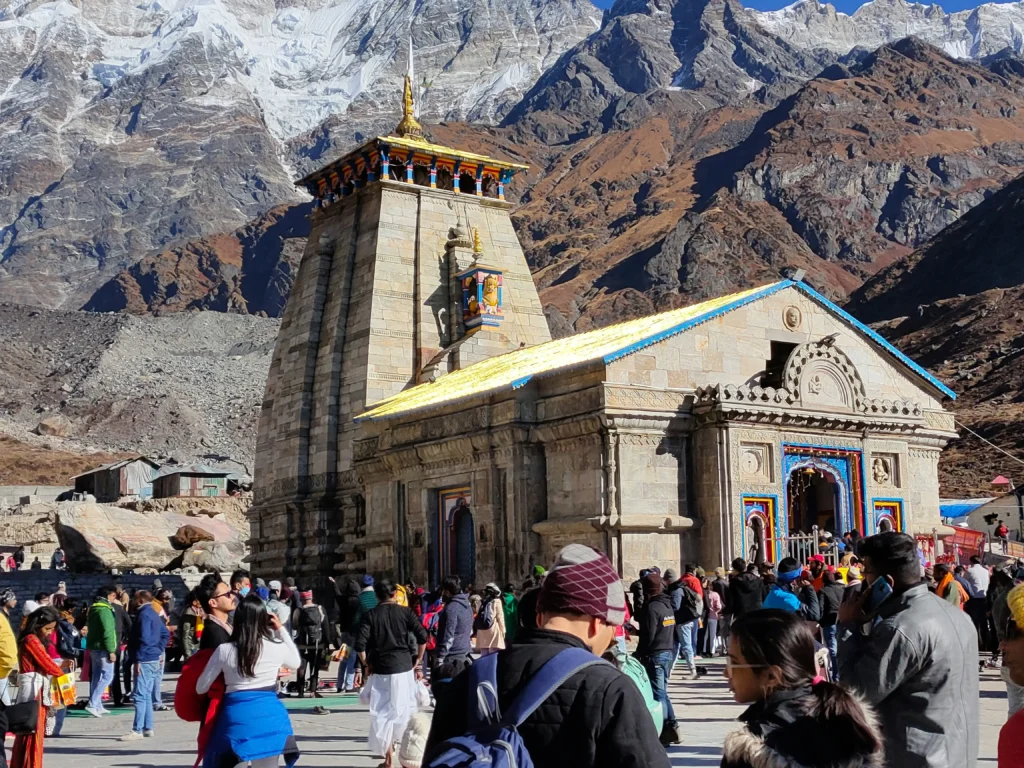
Many generic travel blogs understate the difficulty of the 16-to-18-kilometer ascent or quote outdated bus and taxi rates. This guide covers the ground reality: step-by-step routes, verified budget tiers, seasonal weather breakdowns, and essential packing checklists.
Quick Trip Snapshot
| Parameter | Details |
| Altitude | 3,583 m (11,755 ft) above sea level |
| Trek Distance | 16 to 18 km (one-way from Gaurikund) |
| Trek Difficulty | Moderate to Strenuous (steep gradient above Lincholi) |
| Base Town | Sonprayag / Gaurikund |
| Nearest Railhead | Rishikesh (Yog Nagari Rishikesh) & Haridwar |
| Nearest Airport | Jolly Grant Airport, Dehradun (~238 km to Sonprayag) |
| Mandatory Requirement | Char Dham Yatra Registration Card / QR Code |
| Mobile Network | Jio and BSNL have the most consistent coverage along the trail |
1. Best Time to Visit: Weather & Ground Reality
The temple gates open every year around Akshaya Tritiya (late April or early May) and close on the day of Bhai Dooj (October/November) for winter. The season splits into three distinct phases:
May to June (Peak Season — Best Weather, Heaviest Crowds)
- Conditions: Clear skies, daytime temperatures between 10°C and 15°C, and night temperatures dropping to 2°C–5°C.
- Ground Reality: Massive lines at Sonprayag taxi stands and temple darshan (often 4 to 8 hours). Hotel prices in Sonprayag, Guptkashi, and Kedarnath top reach 3x–4x standard rates. Book stays at least 45 days ahead.
July to August (Monsoon Season — Avoid if Possible)
- Conditions: Heavy rainfall, frequent landslides along the Rudraprayag–Guptkashi stretch, and high cloudburst risks.
- Ground Reality: Trekking paths turn slick and muddy; helicopter services frequently cancel due to low visibility. Travel only if you have flexible buffers of 2–3 days for road blockages.
September to Mid-November (Post-Monsoon — The Sweet Spot)
- Conditions: Crisp mountain air, vibrant green valleys turning golden, and clear views of the Kedar Dome peak.
- Ground Reality: Far fewer crowds than May/June, darshan queues move rapidly (under 1–2 hours), and GMVN dormitories have better availability. Nights are freezing (dropping between -2°C and -5°C by late October), requiring proper sub-zero thermal gear.
2. Step-by-Step Route: How to Reach Kedarnath
The route to Kedarnath follows the Mandakini River basin through the Garhwal hills.
Delhi / Haridwar / Rishikesh
       ↓ (Road: NH 58 & NH 107)
Devprayag → Srinagar → Rudraprayag → Agastyamuni → Guptkashi → Phata → Sonprayag
       ↓ (Local Shared Bolero Taxi: 5 km)
Gaurikund (Trek Starting Point)
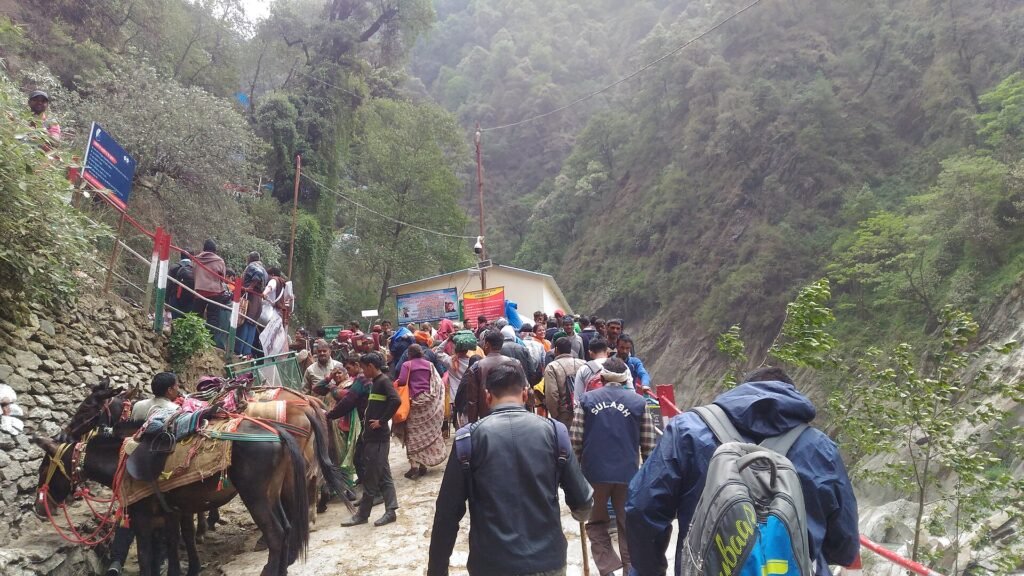
       ↓ (16–18 km Mountain Trail on foot / pony / palki)
Kedarnath Dham
Step 1: Haridwar/Rishikesh to Sonprayag (210–235 km | 8–10 hours)
- By Direct Bus: Uttarakhand Transport Corporation (UTC) and private operators run morning buses from Haridwar/Rishikesh bus terminals starting between 4:30 AM and 6:30 AM directly to Sonprayag (approx. ₹600–₹900 per seat).
- By Shared Taxi: Shared Maxx/Bolero cabs depart early morning from Natraj Chowk (Rishikesh) to Rudraprayag or Guptkashi. From there, take connecting shared cabs to Sonprayag. Total cost: ₹700–₹1,000 per person.
- By Private Cab: Sedan/SUV rentals from Haridwar/Dehradun cost approximately ₹4,500–₹7,000 per day including driver allowances.
Step 2: Sonprayag to Gaurikund (5 km)
- Private vehicles are not allowed past the Sonprayag parking checkpost.
- You must take the government-authorized shared green jeeps from the Sonprayag taxi stand to Gaurikund (fixed fare: approx. ₹50 per person).
- Ground Tip: Morning queues at this taxi stand start as early as 4:00 AM. Reach the queue early to avoid a 1–2 hour wait.
3. The 16 km Trek Breakdown: Gaurikund to Temple
The new trail built after the 2013 flood starts from Gaurikund and runs along the right bank of the Mandakini River. It is paved with concrete and stone, equipped with railings on the valley side, and lined with water points and snack sheds.
[Gaurikund] ──4 km──> [Jungle Chatti] ──3 km──> [Bheem Chatti] ──4 km──> [Lincholi] ──4 km──> [Base Camp] ──1.5 km──> [Temple]
 (1,982 m)              (2,250 m)                 (2,450 m)             (3,150 m)           (3,450 m)          (3,583 m)
- Gaurikund to Jungle Chatti (4 km): Gradual incline. You pass through hot sulfur springs at Gaurikund and follow the riverbed.
- Jungle Chatti to Bheem Chatti (3 km): Moderate ascent. Rest stops, lemon-water stalls, and basic tea sheds are frequent.
- Bheem Chatti to Lincholi (4 km):The hardest stretch. The zig-zag trail climbs steeply, and air pressure begins to drop noticeably. Take steady, measured steps to avoid elevated heart rates.
- Lincholi to Kedarnath Base Camp (4 km): The valley opens up, offering distant views of the snow-covered peaks. The terrain flattens somewhat, but cold winds pick up sharply.
- Base Camp to Kedarnath Temple (1.5 km): Gentle walk along the wide paved boulevard leading straight to the temple premises.
Alternative Modes of Transport
- Pony / Mule: Fixed government-regulated rates typically range from ₹2,500 to ₹3,500 for the ascent from Gaurikund, and ₹1,500 to ₹2,200 for the descent. Always pay at the official booking counter in Gaurikund and retain the receipt.
- Palki / Doli: Carried by four porters, ideal for elderly pilgrims. Typical charges range from ₹7,000 to ₹10,000 depending on body weight.
- Pithu (Basket Porter): Carries luggage or children on a porter’s back (approx. ₹1,200–₹2,000).
- Helicopter Service: Operates from helipads at Guptkashi, Phata, and Sersi. Bookings open strictly through the official IRCTC HeliYatra portal (
heliyatra.irctc.co.in). Round-trip fares range from ₹5,500 to ₹8,500 depending on the departure helipad. Warning: Never buy helicopter tickets from third-party agents or Telegram groups; unauthorized sellers are common scams.
4. Realistic Budget Breakdown (Per Person)
Here is what a 4-day/3-night trip (Ex-Rishikesh/Haridwar) realistically costs across different travel styles:
| Expense Category | Budget Traveler (Solo / Backpacker) | Mid-Range (Couples / Families) | Premium / Helicopter Option |
| Transport | ₹1,500 (Direct state transport buses) | ₹4,000 (Shared cabs & local jeeps) | ₹12,000+ (Private Innova rental) |
| Trek Support | ₹0 (Self-trekking on foot) | ₹5,500 (Pony / Mule up and down) | ₹8,000 (Helicopter round-trip) |
| Accommodation | ₹2,500 (GMVN dorms / shared tents) | ₹7,500 (Standard private rooms) | ₹15,000 (Pre-booked premium cottages) |
| Food & Water | ₹2,000 (Simple Thalis, Maggi, Chai) | ₹3,500 (Standard restaurant meals) | ₹5,000 (Full meal packages) |
| Misc & Registration | ₹500 (Locker, cloakroom, prasad) | ₹1,500 (VIP queue / Special Puja) | ₹3,000 (Custom temple rituals) |
| Estimated Total | ₹6,500 – ₹7,500 | ₹21,500 – ₹23,000 | ₹38,000+ |
5. Packing Checklist & Gear Essentials
Mountain conditions are unforgiving. Wearing street sneakers or cotton track pants on the 16 km climb leads to wet feet, blisters, and hypothermia. Pack lightweight, technical layers.
Essential Trekking Gear
Recommended Packing Gear for Kedarnath
- Waterproof Trekking Shoes with Ankle Support: Avoid flat sneakers; wet pony tracks are slippery and cause ankle twists.
- Editor’s Pick: [High-Grip Mountain Trekking Shoes on Amazon]
- Adjustable Anti-Shock Trekking Pole: Saves up to 25% of the strain on knees during the steep descent from Lincholi.
- Editor’s Pick: [Lightweight Aluminum Trekking Pole on Amazon]
- Heavy-Duty Rain Poncho: Mountain downpours happen with little warning. An umbrella is useless in windy valleys.
- Editor’s Pick: [Waterproof Hooded Rain Poncho with Backpack Cover on Amazon]
- 20,000 mAh Fast-Charging Power Bank: Extreme cold drains phone batteries within hours, and temple rooms often have limited charging points.
- Editor’s Pick: [Cold-Resistant 20,000mAh Power Bank on Amazon]
Budget Warm Layers & Travel Apparel
Budget Clothing Essentials
- Fleece-Lined Thermal Innerwear Sets: Essential base layer. Wear one set while trekking and keep a dry spare set strictly for sleeping.
- Value Pick: [Unisex Thermal Innerwear Warm Top & Bottom Set on Meesho]
- Windproof Fleece Beanies & Neck Gaiters: Protects your ears and throat from biting winds at Kedarnath Base Camp.
- Value Pick: [Woolen Winter Cap and Neck Muffler Combo on Meesho]
- Quick-Dry Cargo Trek Pants: Heavy denim absorbs moisture, takes days to dry, and causes chafing. Choose lightweight water-repellent polyester.
- Value Pick: [Stretchable Multi-Pocket Cargo Pants on Meesho]
6. Critical Ground Tips to Avoid Common Pitfalls
- Complete Mandatory Registration: Do not reach Sonprayag without registering on the official Uttarakhand Tourism Portal (
registrationandtouristcare.uk.gov.in) or the Tourist Care Uttarakhand app. You will be stopped at the Sonprayag barrier without your Yatra Pass QR code. - Carry Sufficient Physical Cash: ATMs in Guptkashi, Sonprayag, and Gaurikund frequently run out of cash or lose network connectivity. Mobile digital payments (UPI) work intermittently on top, but local porters, pony operators, and small stalls demand cash. Carry at least ₹5,000–₹8,000 in cash per person.
- Prevent Altitude Sickness (AMS):
- Do not rush the ascent. Take steady steps and keep your breathing synced with your stride.
- Drink plenty of water along the route; dehydration accelerates altitude sickness.
- Stay one night at Guptkashi or Sonprayag (around 1,800–2,000 m) before ascending to help your body acclimatize.
- Book Top Accommodation in Advance: Stays at Kedarnath top are managed largely by GMVN (Garhwal Mandal Vikas Nigam) alongside private tent colonies. During peak months, walk-in rooms are impossible to find. If you arrive without a booking in May or June, you may have to sleep in communal tin-shed shelters.
Frequently Asked Questions (FAQs)
1. Can a beginner complete the Kedarnath trek?
Yes, provided you have baseline cardiovascular fitness. Start brisk walking, stair climbing, or jogging 3–4 weeks prior to the trip. Take 8 to 10 hours for the ascent instead of racing up the trail.
2. Is night trekking allowed from Gaurikund to Kedarnath?
No. For safety reasons, the police barrier at Gaurikund stops pilgrims from starting the trek after 1:30 PM to 2:00 PM. Anyone starting later is halted at Jungle Chatti or Lincholi for an overnight halt.
3. Which mobile network works best in Kedarnath?
Jio and BSNL provide the most dependable 4G calling and data service around the temple and base camp. Airtel works intermittently, while Vi has very patchy coverage along the trekking route.
Affiliate Transparency: Devbhoomi360 participates in the Amazon Services LLC Associates Program and the Meesho Affiliate Program. When you purchase gear through the links on this page, we may earn a small referral commission at no additional cost to you.